Your cart is currently empty!
Mini Review: Yeasts associated with microalgal cultures in marine environments – ecological roles and biotechnological potential
Abstract
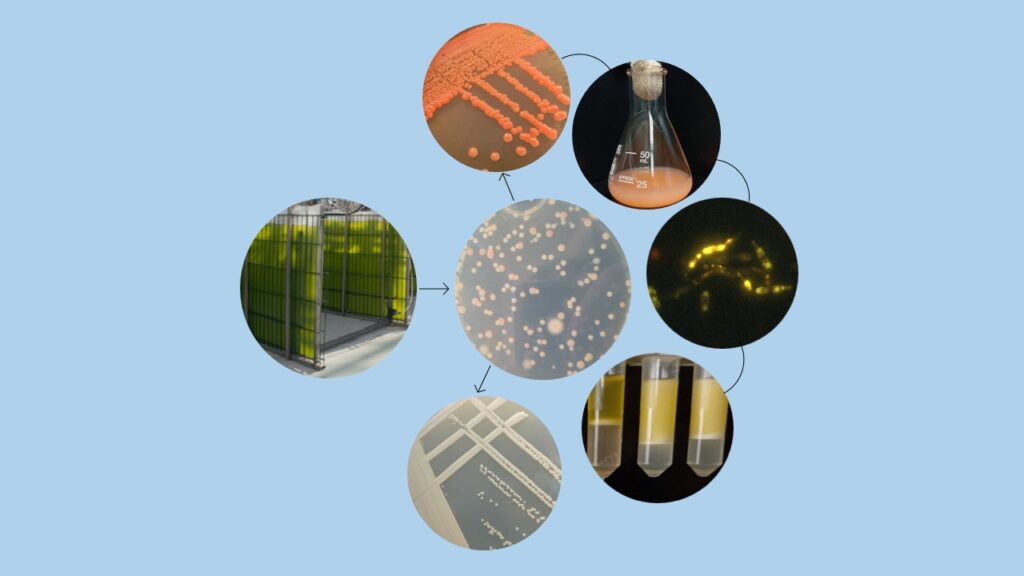
The large-scale cultivation of microalgae for aquaculture feed, biofuels, and high value bioproducts is often limited by microbial contamination. While bacteria have long been recognized as major algal symbionts, yeasts, though typically less abundant, are emerging as functionally significant members of the phycosphere. Yeast physiological versatility, stress tolerance, and production of bioactive metabolites enable them to exert disproportionate ecological and biotechnological influence relative to their abundance. Yeasts contribute to algal systems through metabolic complementarity, enhancing nutrient cycling, stress resilience, and culture stability. Several yeast species secrete auxins such as indole-3-acetic acid (IAA), stimulating algal cell division and photosynthetic efficiency. Biosurfactants that suppress microbial contaminants, prevent biofilm formation, and stabilize algal cultures are also produced by several yeast species. In co-cultivation systems, yeast-microalgae interactions enhance biomass, lipids, and pigment yields whilst enabling efficient use of waste substrates. Moreover, yeasts associated with microalgae are valuable producers of compounds of biotechnological relevance such as lipids, biosurfactants, pigments, enzymes and other proteins. This review synthesizes current knowledge on yeast-microalgae associations, emphasizing their ecological relevance, functional versatility, and underexplored potential in sustainable bioprocesses and circular bioeconomy. Highlighting yeasts within algal microbiomes provides new insight into cross-kingdom cooperation and tools for developing resilient, high-performance cultivation systems.
Authors
Isabel Sá-Correia, Mónica A. Fernandes, Madalena Matos
DOI
https://doi.org/10.1093/femsyr/foag002